Automotive UX
This project was part of a collaboration between Stellantis and the University of Michigan’s School of Information, supported by Mcity. As a team of UX designers, we were tasked with reimagining the driver’s experience during semi-autonomous transitions — when control passes between human and machine.
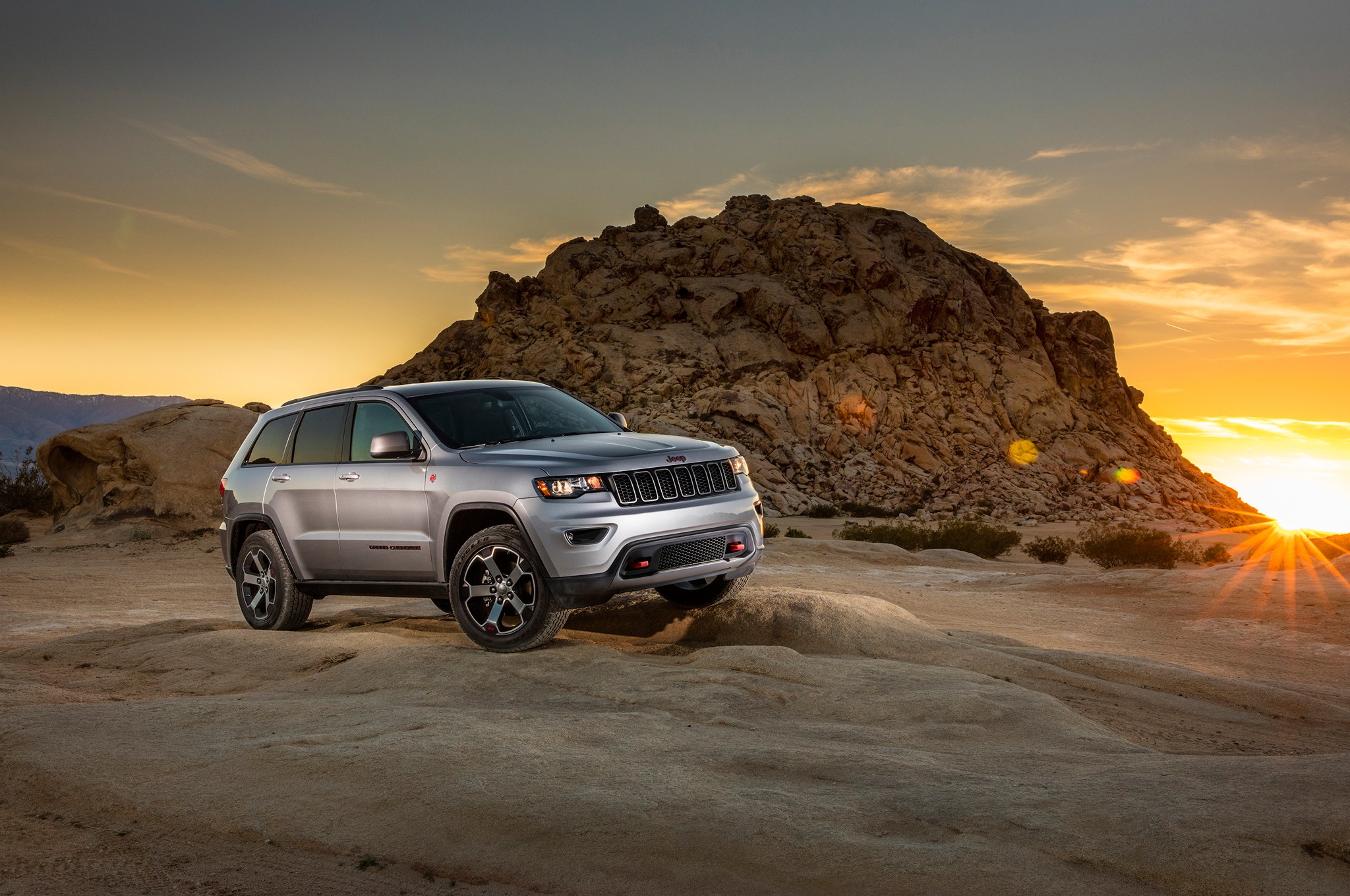
Imagine cruising down a highway in a Jeep Grand Cherokee when suddenly, your vehicle alerts you:
“Take control now.”
In that split second, clarity and timing can mean everything.
Our goal was to design an instrument cluster experience that clearly communicates the system’s driving state — inactive, active, or in alert — while reflecting Jeep’s bold, adventurous identity.
THE DESIGN JOURNEY
After several rounds of sketches, mockups, and motion studies, we designed a three-state system that communicates ADA (Autonomous Driving Assist) status intuitively.
STATE 1: ADA INACTIVE
Gauge outlines were inspired by Jeep’s fender arches, giving a subtle visual tie to its exterior design.
Telltales are positioned consistently at the top corners for familiarity.
The PRNDL indicator anchors the bottom center, easily within the driver’s line of sight.
STATE 2: ADA ACTIVE
The cluster frame glows green, signaling stability and safety
A lane path visualization appears, showing the system’s awareness and commitment to its lane
The design balances calm and control, reassuring drivers that the system is capable and reliable
STATE 3: ADA ACTIVE
We introduced a red gradient that instantly draws the eye without overwhelming the entire interface
The vehicle visualization blurs slightly, directing attention to the alert message and icon
An accompanying sound cue reinforces the urgency — a multimodal signal proven to improve reaction time
TESTING AND ITERATION
We are currently in the testing phase of our process! Check back later for more updates!