Take control.
Designing the five seconds when a self-driving Jeep hands the wheel back to a human, and testing whether the design actually works in a VR simulator on a real test track.
The 5 seconds that matter
You're in a Grand Cherokee, hands off the wheel, L3 autonomy driving. You're following a semi-truck down the highway. The truck swerves. Behind it, a disabled vehicle, stopped dead in your lane.
The car knows before you do. The question is whether it can tell you fast enough, and clearly enough, for you to take over. That was the brief: not "design a warning light," but design the moment a car and a human trade control of a 4,500-pound vehicle.
It took a few passes
Stellantis handed us a fixed grid, not a blank page. Getting from that grid to something that felt like a Jeep, and could still turn into an alert, took a few rounds.
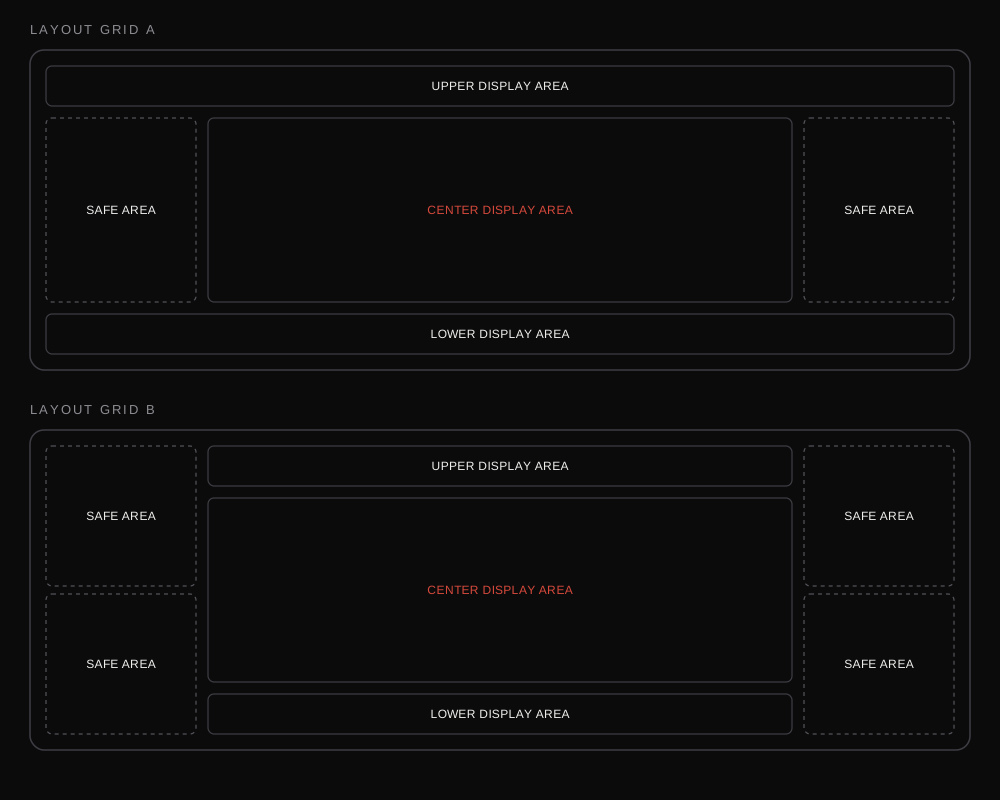
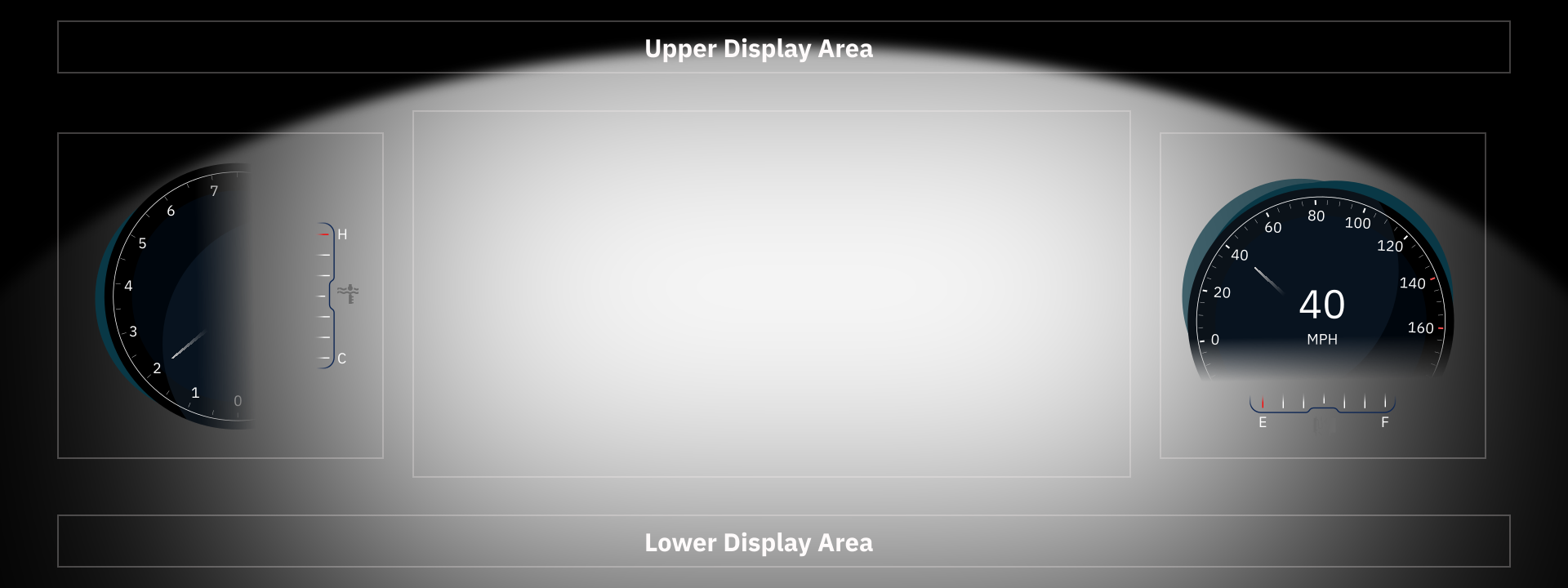
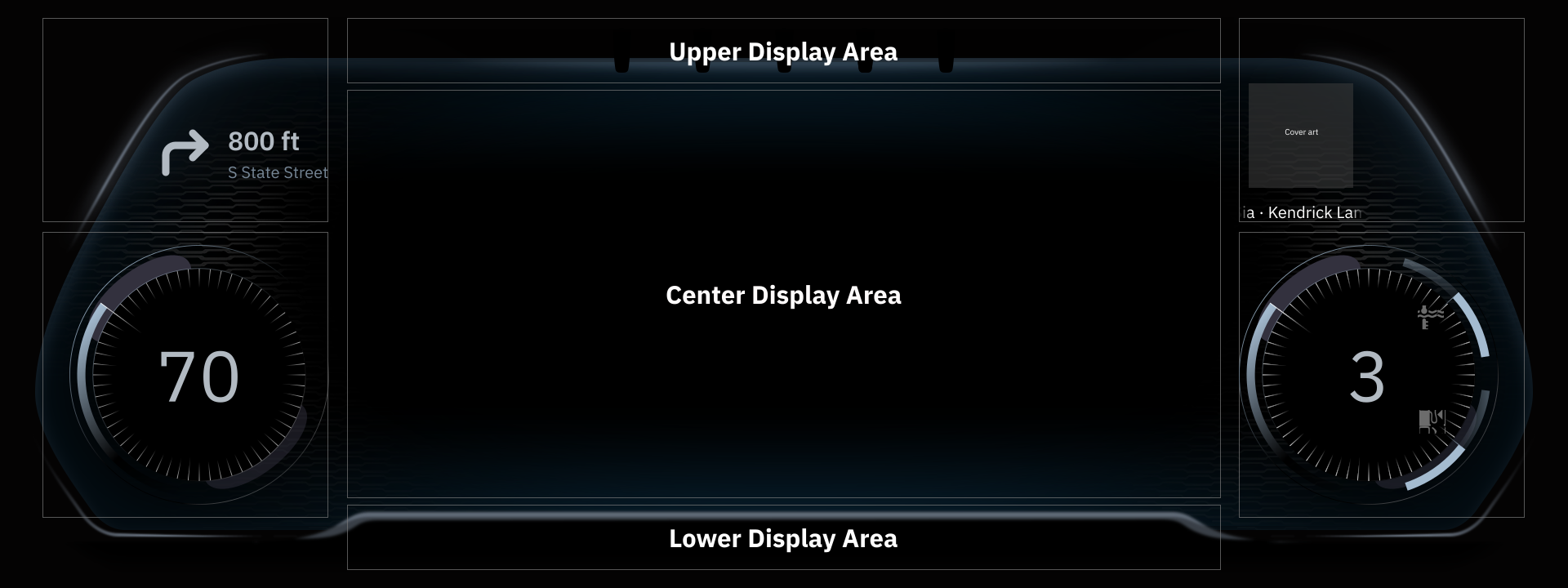
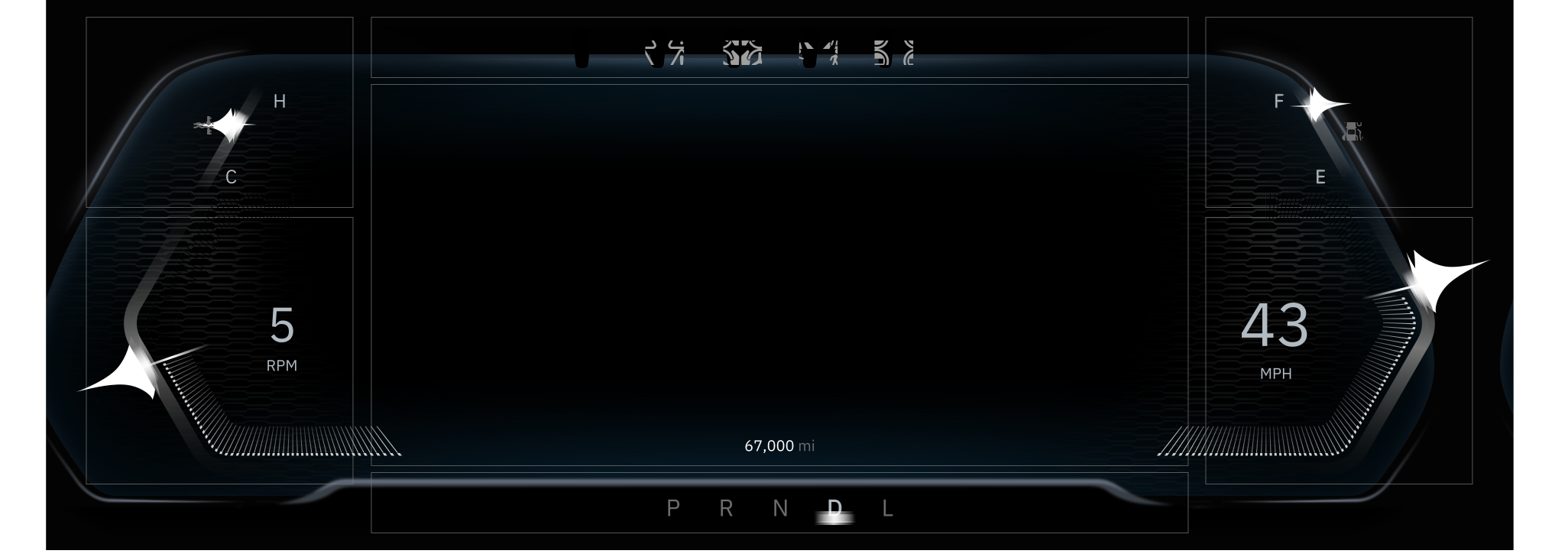
Two decisions that carried the alert
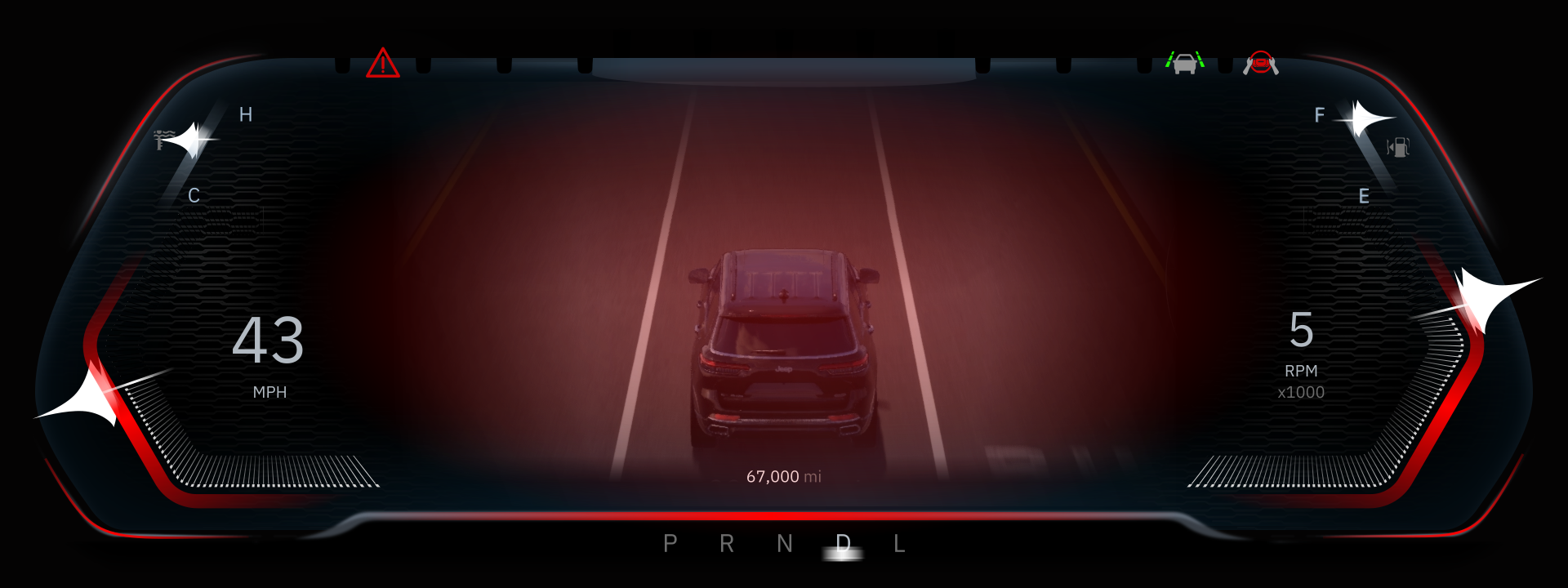
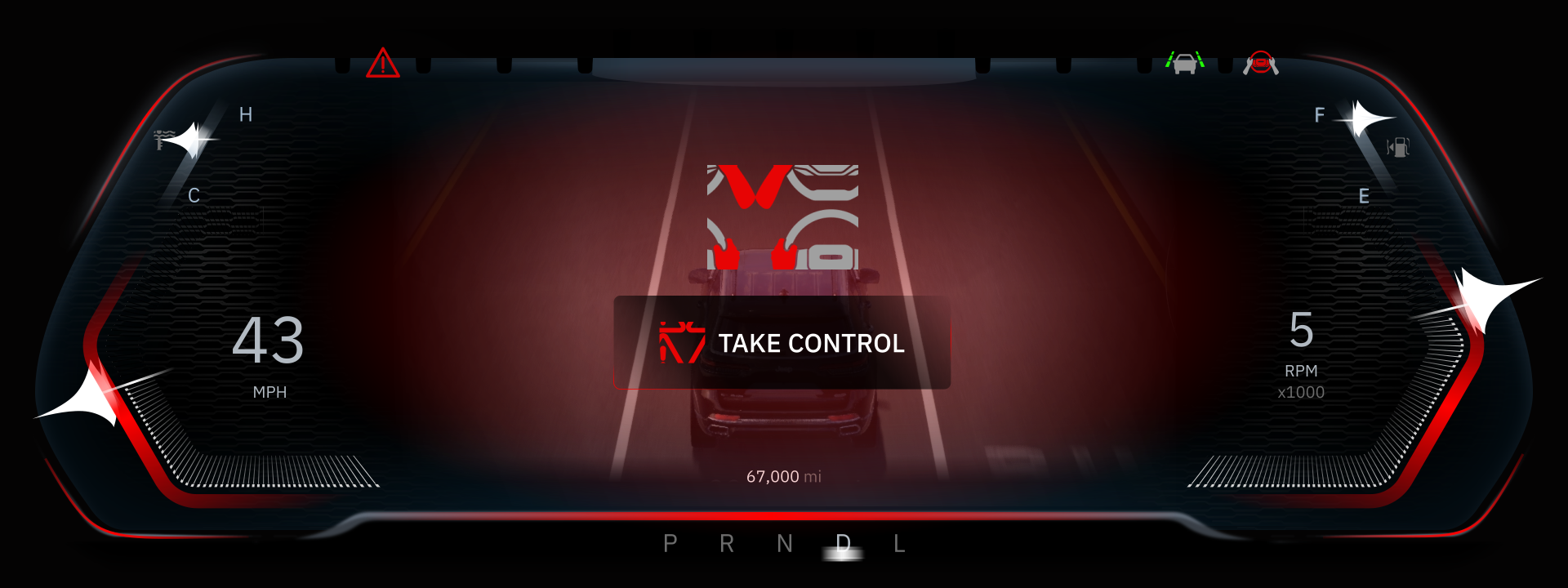
The cluster under alert
Cluster transitions into alert state (full red overlay, two-word directive, audio chime, and flashing) when a handoff is required.
Onto a VR rig, onto Mcity's test track
Mockups don't tell you if someone actually grabs the wheel in time. So we put two competing alert concepts in front of four drivers, strapped into a VR simulator on a real steering rig at Mcity, and watched what they did when the truck ahead swerved.
Sound wins. Text mostly doesn't.
Every participant said the chime was what actually got their attention, not the visual. Red flashing won second place. Text barely registered, three of four couldn't recall what it said.
The bigger surprise: two of four drivers reacted to the truck swerving before our alert even fired. Trust in the system also wasn't fixed. One driver trusted it far more alone than with his family in the car.